
Dubai’s automotive market stands out globally as a place where cars remain remarkably affordable despite the city’s reputation for luxury. The UAE government has created a strategic low-tax environment that significantly reduces the purchase cost of vehicles, with only 5% VAT applied regardless of whether you’re buying a Nissan Tiida or Range Rover Autobiography.
This favorable pricing stems from multiple factors working together: import duties capped at just 5%, relatively low interest rates on car loans ranging from 2.29% to 4.42%, and an ever-growing expatriate population that creates constant turnover in the used-car market.
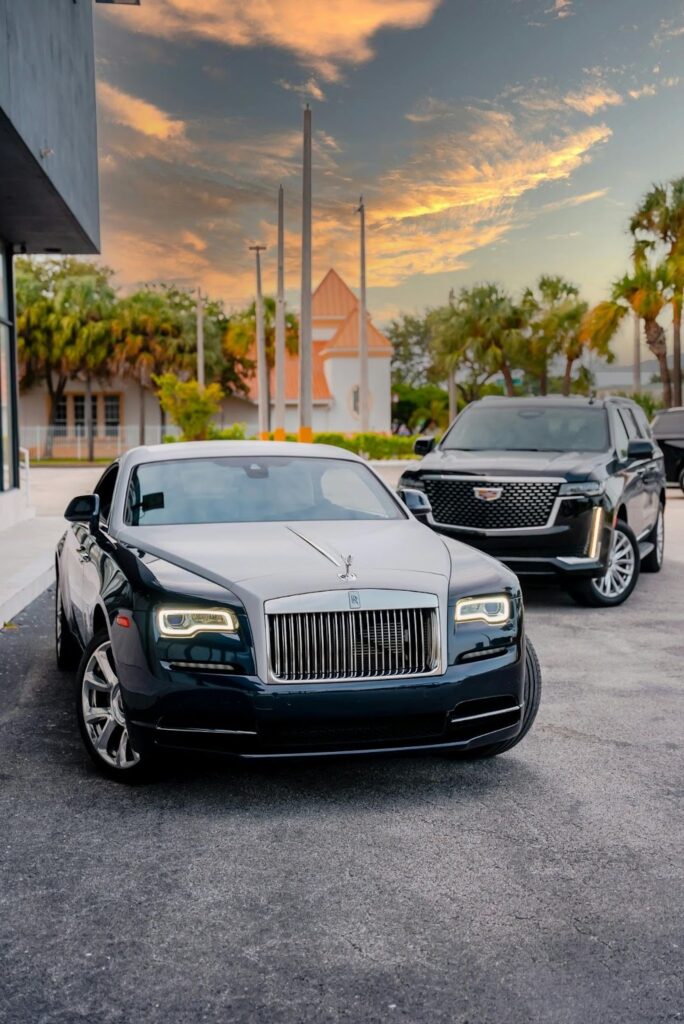
The contrast with other markets is striking. While India charges 28% in taxes, Europe typically levies 27%, and Singapore imposes taxes on high-end cars up to 320%, the UAE offers accessible financing options with zero-down-payment car loans and longer repayment periods. The vast variety of vehicles available creates a competitive environment where dealers and individual sellers must lower prices to attract customers, while fuel prices at approximately 2.4 AED per liter make owning even larger vehicles like SUVs and luxury sedans economically viable.
Low Interest Rates Make Financing Accessible
Car financing becomes genuinely accessible when interest rates sit between 2% and 6%—a bracket that many other countries would consider impossibly generous. Some dealerships even roll out 0% interest financing deals during promotional periods, making car loans feel less like debt and more like deferred payment plans.
This relatively low cost of borrowing fundamentally reshapes the mathematics of vehicle ownership. Suddenly, that luxury model or high-performance sedan doesn’t require draining savings accounts, and buyers can finance their purchase while preserving capital for other investments or emergencies.
Minimal Taxes Create Immediate Savings
Taxes play almost no role when calculating your final price in the UAE, and this absence creates an immediate advantage that reverses typical car purchases globally. Unlike Western countries, where sales tax layers onto every vehicle, Dubai operates without such costs—the price displayed becomes exactly what consumers pay with no hidden additions at checkout.
This tax-free reality significantly lowers the cost barrier, transforming ownership from a burden into something genuinely accessible. The government deliberately maintains this policy, recognizing how low tax structures attract buyers and fuel demand across both new and used car market segments.
What makes this particularly compelling isn’t just the affordability it creates, but how it ensures competitive pricing remains consistent. Dealers can’t inflate margins using tax justifications, forcing them to compete on actual value. Even luxury vehicles become cheaper here than in markets abroad, since that tax component—often 25% or more elsewhere—simply doesn’t exist.
Key Tax Comparison:
| Region | Vehicle Tax rate |
| UAE | 5%VAT only |
| India | 28% |
| Yourpe | 27% average |
| Singapore | Up to 320%for luxury cars |
Import duties remain minimal compared to traditional markets. The UAE’s position as a trade hub leverages free-zone advantages and trade agreements, creating an environment where import restrictions stay light, overall costs drop, and every buyer benefits from prices that reflect true market value rather than bureaucratic additions.
High Expatriate Population Drives Market Turnover
Constant relocations among Dubai’s massive expatriate base mean turnover of vehicles stays perpetually high. Individuals frequently leave the country on short notice, rushing to sell before departure. This population churn—which has seen the UAE grow from 3.8 million residents in 2003 to 9.5 million by mid-2023—creates an immense surplus where buyers encounter luxury and mainstream brands alike at significantly lower prices than Western markets would typically demand.
The dynamic nature of the UAE’s expatriate population, with people from over 200 different countries frequently coming and going, constantly feeds fresh inventory into the market at competitive prices.

Surplus Supply Keeps Prices Competitive
The UAE automotive market thrives on an unusual phenomenon where inventory levels remain consistently elevated—not from poor sales, but from strategic influx patterns. International carmakers often redirect excess stock to the GCC, particularly when traditional markets face stagnant conditions, creating a saturation effect that naturally decreases overall car prices.
This surge in availability transforms Dubai into an attractive market for potential buyers seeking affordable deals, where the constant flow of vehicles ensures competitive prices regardless of whether you’re eyeing mainstream options or high-end automobiles.
Low Fuel Costs Make Ownership Economical
Living in the Emirates means enjoying fuel prices that most Western markets wouldn’t dare dream about. The government subsidizes fuel, keeping petrol and diesel rates remarkably low compared to the global average, which directly impacts the total cost of ownership and makes even gas-guzzling luxury vehicles surprisingly economical to run daily.
This factor alone explains why buyers in the UAE can afford to drive higher-end models that would otherwise be prohibitively expensive to maintain elsewhere, since the ongoing expenses of fueling a vehicle remain minimal despite frequent usage across the city’s extensive road network.

Abandoned Vehicles Add to Market Supply
You’ll spot a surprising phenomenon across Dubai and Abu Dhabi—the variety of vehicles left abandoned along roadsides and parking lots. This constant turnover happens because expatriates who face urgent financial difficulties or sudden relocations simply leave their cars behind rather than deal with selling them before departure.
The dynamic expatriate population creates this unique situation where abandoned vehicles eventually get auctioned off at significantly lower prices, feeding into the used car market with affordable inventory.
Understanding the Hidden Costs: Maintenance Considerations
While Dubai remains attractive for affordable car purchases due to low taxes and competitive prices, the cost narrative shifts when examining maintenance realities. The cheap initial purchase often masks higher costs down the line—parts for luxury vehicles and even mainstream cars can carry premium prices in the UAE, particularly replacement components sourced from tariff-affected regions like Europe or specific parts of Asia.
Buyers focusing solely on purchase cost without considering total ownership expenses risk unforeseen costs that transform an attractive deal into a burden. Insurance premiums escalate dramatically for high-end automobiles, registration fees vary based on vehicle type, and fuel efficiency becomes critical when running larger SUVs or luxury sedans beyond city limits.

Global Trade Dynamics Benefit UAE Buyers
While the US auto market braces for rising prices from a fresh wave of tariffs hitting global markets, the Emirates benefit from this turmoil as car prices are set to stay steady or even decrease slightly in some cases. American car buyers face increasing uncertainty amid inflation, yet Dubai and Abu Dhabi remain insulated from the chaos.
The UAE offers customers a flourishing automotive landscape with vast choice across car brands and models that continue to attract both premium seekers and value-conscious consumers alike.
How Dubai’s Growing Demand Maintains Low Prices
While demand for vehicles continues its drastic rise, prices somehow remain stubbornly accessible. The population surge—from 3.8 million residents in 2003 to 9.5 million by mid-2023—brought an immense increase in car buyers, yet every single car showroom in Dubai and Abu Dhabi stays filled with vehicles both big and small.
This surplus supply paradox exists because dealerships and private sellers maintain great business through volume rather than margin, creating a self-sustaining cycle where sales rise but prices stay low thanks to fierce competition among dealers.
The influx of international carmakers redirecting excess stock toward markets with fewer restrictions and higher demand means more choice, quicker delivery times, and competition that keeps dealerships honest—particularly as sales stall in traditional markets like the US and Europe where steep 25% tariffs on imported cars and parts squeeze manufacturers from all sides.
Essential Tips for Buying a Car in the UAE
1. Pre-Purchase Inspection
Get a thorough inspection before purchasing to avoid unexpected maintenance costs, as rubber parts and components wear faster due to the UAE’s high summer temperatures
2. Financing Options
Choose loan tenures that fit your budget and look for dealership promotions offering zero-down-payment options or extended repayment periods to reduce monthly payments
3. Cost Considerations
Ensure you understand all costs including registration fees, insurance premiums, and depreciation rates, regardless of whether you’re buying an economy car or a luxury vehicle
4. Smart Buying Checklist:
Get a comprehensive pre-purchase inspection from a certified mechanic, compare financing offers from multiple banks and dealerships, factor in insurance costs for your specific vehicle model, understand registration and renewal fees, consider resale value if you plan to leave the UAE, budget for maintenance costs beyond the purchase price, and verify the vehicle’s service history and accident records.
Since expats often need to sell quickly when they leave after a couple of years, resale value becomes a critical factor in your purchasing decision.
What are the main running costs of owning a car in Dubai?
Main costs include fuel, annual registration fees, mandatory insurance, regular maintenance, Salik toll charges, and parking fees in commercial areas.
Is it better to buy a new or used car in the UAE?
Used cars offer better value due to rapid depreciation, while new cars provide warranty coverage and no hidden maintenance issues.
What documents do I need to buy a car in Dubai?
You’ll need a UAE residence visa, Emirates ID, passport copy, valid UAE driving license, and proof of address or income for financing.
How does car insurance work in the UAE?
Third-party insurance is mandatory by law, while comprehensive coverage is optional but recommended for protection against theft and own-vehicle damages.